How to Choose the Right Personal Trainer in Toronto
Choosing the right personal trainer in Toronto means finding someone who matches your fitness goals, schedule, and personal style. The best trainer creates a tailored program, communicates clearly, and fits your needs rather than offering one-size-fits-all solutions. This ensures steady progress and keeps motivation high.
Toronto offers many options, from gym-based professionals to independent trainers working outdoors or online. Understanding certifications, experience, and coaching approach helps narrow down the choice. Practical factors like location, availability, and trial sessions also play a key role.
Knowing what to ask and expect can make the search easier. By focusing on qualifications, client fit, and clear communication, people can make confident decisions that support long-term success.
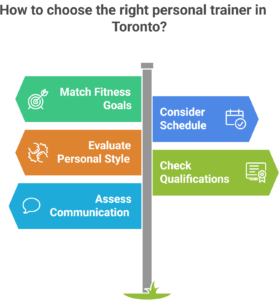
Define Your Fitness Goals
Setting clear and specific fitness goals helps shape the training approach and tools a personal trainer will use. These goals can vary widely, from losing weight to improving strength or enhancing sports performance. Defining priorities early ensures training plans match individual needs and produce effective results.
Identifying Personal Priorities
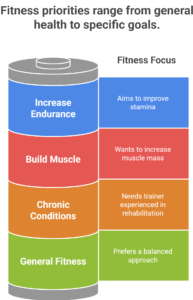
Before selecting a trainer, it is important to understand what matters most in the fitness journey. Some might focus on improving overall health, while others want to build muscle or increase endurance. Personal priorities include factors like time commitment, preferred workout style, and any health issues.
Knowing these details helps narrow down trainers who specialize in particular areas. For example, someone aiming for general fitness may prefer a balanced program. Someone dealing with chronic conditions might need a trainer experienced in rehabilitation. Clear priorities guide the choice toward a suitable coaching style and program design.
Fat Loss Versus Strength Training
Fat loss and strength training require different approaches. Fat loss typically involves more cardio, calorie control, and varied workouts to boost metabolism and burn fat. Strength training focuses on building muscle through resistance exercises and often requires progressive overload and recovery planning.
Choosing a trainer who understands these distinctions ensures a tailored program. For fat loss, the trainer should monitor nutrition and offer motivation for consistency. For strength training, technical skill in form, exercise selection, and progression is key. Aligning goals with the right expertise is crucial for steady progress.
Considering Athletic Performance Objectives
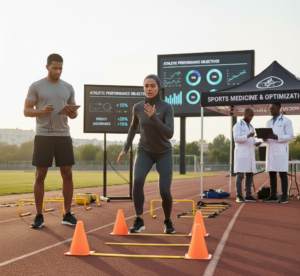
Athletic performance goals ask for specialized training beyond general fitness. Clients might aim to improve speed, agility, endurance, or sport-specific skills. A trainer with experience in athletic conditioning can design drills and exercises targeting muscle groups and energy systems used in the sport.
This type of training often includes assessments and regular performance tracking. Trainers should collaborate with healthcare or sports professionals if needed to prevent injury and optimize results. Choosing a trainer familiar with competitive sports enhances the ability to meet these advanced performance objectives.
Evaluate Credentials and Experience
A solid personal trainer should have verified credentials and relevant experience tailored to the client’s goals. Understanding their certifications, background, and specialties helps ensure the trainer is qualified and a good fit for specific fitness needs.
Certifications and Reputable Organizations
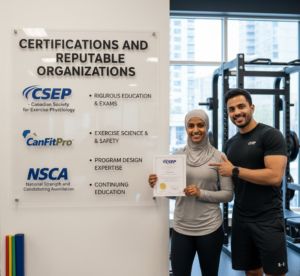
Personal trainers in Toronto often hold certifications from accredited bodies like the Canadian Society for Exercise Physiology (CSEP), which is highly respected for fitness professionals in Canada. A certified trainer should have completed rigorous education and exams covering exercise science, safety, and program design.
Other recognized certifications may come from organizations such as CanFitPro or the National Strength and Conditioning Association (NSCA). These prove the trainer follows industry standards and stays updated through continuing education. Credentials signal that a trainer understands how to work safely and effectively with clients.
When choosing a personal trainer, always ask to see proof of certifications and verify they are current. This ensures the trainer meets legal and professional requirements in Toronto’s fitness industry.
Assessing Relevant Experience
Experience matters most when it matches your personal fitness goals. A trainer with years of general experience may not be as effective as one who specializes in the area you need—whether it’s weight loss, injury rehab, or athletic training.
Ask how long the trainer has worked with clients similar to your situation. For example, someone recovering from surgery needs a trainer familiar with medical clearance and modified exercises. Those aiming for marathon prep benefit from a trainer knowledgeable in endurance training.
Experience also shows how well a trainer adapts to setbacks and tracks measurable progress. Testimonials or references from past clients in Toronto can reveal the trainer’s real-world success and approach.
Understanding Trainer Specializations
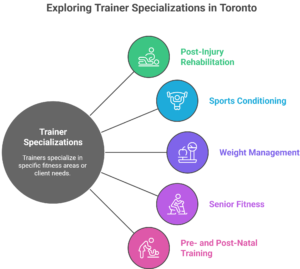
Many Toronto personal trainers focus on specific fitness areas or client needs. Common specializations include:
- Post-injury rehabilitation
- Sports conditioning
- Weight management
- Senior fitness
- Pre- and post-natal training
A trainer’s specialization affects how they design workouts and motivate clients. For example, a sports conditioning trainer emphasizes performance, while a post-injury specialist prioritizes safety and gradual recovery.
Clients should look for trainers who disclose their specialties upfront and offer clear examples of relevant client work. This fit ensures training programs are tailored, improving effectiveness and reducing risk of injury.
Assess Training Approach and Support
Choosing a personal trainer means understanding how they interact, customize programs, provide nutrition advice, and keep clients safe from injury. These factors influence how well a trainer matches a client’s needs and fitness goals.
Compatibility and Communication Style
A personal trainer’s communication style affects motivation and progress. Trainers should listen closely to client goals, concerns, and preferences. Open, clear dialogue helps build trust, making clients feel comfortable asking questions and sharing feedback.
Compatibility is key. A trainer who matches a client’s personality and style fosters a positive workout environment. Some trainers use a strict, no-nonsense approach, while others are more encouraging and patient. Clients should consider their own motivation style and choose a trainer who complements it.
Trial sessions allow clients to evaluate communication and rapport before committing. A strong connection improves accountability and consistency.

Fitness Assessments and Program Customization
Effective personal trainers start with detailed fitness assessments. These may include strength, flexibility, endurance, and body composition tests. Assessments establish current ability levels and highlight areas for improvement.
Based on these results, trainers design personalized programs that align with specific goals like weight loss, muscle gain, or athletic performance. Programs are adjusted over time to ensure steady progress.
Customization also considers lifestyle factors such as work schedule and available equipment. This makes workouts practical and sustainable, increasing the chance of success.
Nutrition Coaching and Meal Planning
Many personal trainers offer nutrition coaching to support fitness goals. This includes advice on balanced eating, portion control, and nutrient timing.
Meal planning guidance helps clients develop healthier habits by creating realistic eating schedules aligned with workouts. Trainers may suggest meal ideas or work with registered dietitians for more complex needs.
Nutrition coaching focuses on simple, consistent changes rather than strict diets, encouraging long-term lifestyle improvements. It ensures clients fuel their bodies properly to enhance energy, recovery, and results.

Injury Prevention Strategies
Preventing injury is a critical part of a personal trainer’s role. They teach proper exercise techniques to avoid strain and overuse.
Trainers assess movement patterns and identify weaknesses or imbalances that raise injury risk. They then modify exercises or include corrective work to improve posture and joint stability.
A trainer who emphasizes injury prevention reduces downtime from setbacks, helping clients maintain progress. They also monitor fatigue and adapt intensity to match recovery needs, ensuring safe workouts.
Consider Flexibility, Cost, and Track Record
Choosing the right personal trainer involves balancing convenience, price, and proven results. It’s important to find a trainer whose schedule fits yours, whose costs are clear and fair, and whose experience shows in real client achievements.
Virtual and Online Personal Training Options
Many trainers in Toronto offer virtual or online personal training. This option works well for those with busy schedules or who prefer to work out at home. Online personal trainers use video calls, apps, and messaging to guide workouts and provide feedback.
Virtual personal training can save travel time and often costs less than in-person sessions. Trainers may offer customized plans you can follow on your own or live sessions where they watch and adjust your form. It gives flexibility to train anytime and anywhere.
For people aiming to “build my body beautiful” from home, online programs provide structure and motivation without needing gym access. It also suits clients who travel often or want ongoing support beyond local training.

Reviewing Success Stories and Client Results
A trainer’s track record matters. Success stories and client reviews give insight into how well trainers help clients meet their goals. Look for real examples of weight loss, strength gains, or improved fitness from past clients.
Many trainers share testimonials or before-and-after photos on websites. Check if these stories show progress over time and fit your goals. A strong history of success signals a trainer who knows how to create effective programs.
Client reviews also reveal how supportive and professional a trainer is. Positive feedback on communication, motivation, and personalized coaching means the trainer likely builds strong client relationships and adapts to individual needs.
Evaluating Availability and Location
Personal trainers’ availability varies widely. Some offer early morning or late evening sessions to fit around work or school. Others might only have daytime slots. Find a trainer whose schedule matches your availability.
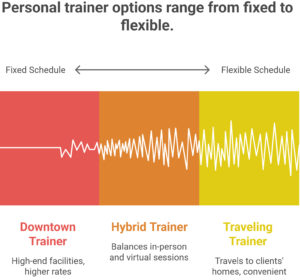
Location is key if you prefer in-person training. Trainers based downtown Toronto might charge more but offer high-end facilities. Others farther from the city center often have lower rates but fewer amenities. Some trainers travel to clients’ homes for convenience.
Consider hybrid options too. A trainer might combine in-person sessions with virtual check-ins to balance flexibility and hands-on guidance. This makes it easier to stay consistent with your routine.
Comparing Costs and Package Deals
Personal training prices in Toronto range from about $35 to $100 per hour for one-on-one sessions. Group training tends to be cheaper, around $30 to $45 per session. Virtual training often lowers the cost further.
Look beyond hourly rates by considering package deals. Many trainers offer discounts for buying multiple sessions upfront or monthly memberships. These can make regular training more affordable.
Some trainers include extras like nutrition advice, progress tracking, or motivational messages in their packages. These add value and support your success.
Always ask for a clear breakdown of what’s included and any cancellation policies. This helps avoid surprises and ensures the cost fits your budget.
Frequently Asked Questions
Choosing the right personal trainer means checking their qualifications, experience, and coaching style. Cost and how they work with clients also matter. It is important to know how to start a conversation and spot warning signs.
What qualifications should I look for in a personal trainer?
Look for trainers with accredited certifications from recognized organizations. Additional education in areas like injury rehab or sports conditioning is a plus. Certifications show they have the basic knowledge needed for safe and effective training.
How can I verify the experience and track record of a personal trainer in Toronto?
Ask about their years of experience and if they have worked with clients who have goals similar to yours. Request references or client success stories. Reading local reviews and watching short profile videos can help confirm their skills and style.
What is the average cost for personal training services in Toronto, and what influences these rates?
Prices vary but often depend on the trainer’s experience, certifications, and the type of training offered. Rates may be higher for boutique studios or trainers with specialized skills. Session length, group size, and location also affect costs.
How do I assess whether a personal trainer’s approach fits my fitness goals and preferences?
Review how they structure sessions and motivate clients. Some trainers focus on hands-on coaching while others encourage independence. A trial session or consultation can show how well their style matches your needs.
What is the best way to initiate a consultation with a potential personal trainer?
Contact trainers through their website or studio to request an initial consultation or trial session. Many offer this for free or at a small cost. Use this meeting to ask about their methods, scheduling, and policies.
Are there any specific red flags to be aware of when selecting a personal trainer?
Beware of promises like rapid weight loss or dramatic results. Avoid trainers who cannot explain their program clearly or pressure you into long-term contracts without a trial. Lack of medical screening and unclear cancellation policies are also warning signs.