Cardio vs. Strength Training
People often wonder whether cardio or strength training burns more fat. Both types of exercise can help with fat loss, but they work in different ways. Cardio burns more calories during the workout itself, making it effective for quick calorie burning.
Strength training, however, helps build muscle, which increases the number of calories burned even when at rest. This means strength training can boost metabolism and support long-term fat loss more effectively.
Combining cardio and strength training can create the best fat-loss plan. Cardio provides immediate calorie burn, while strength training improves metabolism over time, helping maintain weight loss and muscle health.
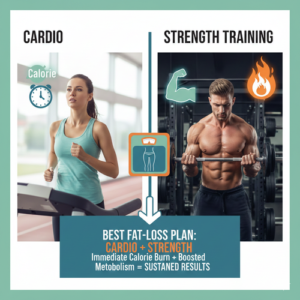
Cardio vs. Strength Training: Key Differences
Cardio and strength training differ mainly in how they work the body and burn fat. Cardio focuses on increasing the heart rate over time, while strength training uses resistance to build muscle. Both influence fat loss but do so through different processes and energy systems.
Definition of Cardio and Strength Training
Cardio, also called aerobic exercise, involves continuous activities that raise the heart rate. Examples include running, cycling, swimming, and brisk walking. These exercises improve endurance by increasing oxygen use throughout the workout.
Strength training, or resistance training, uses weights, machines, or body weight to create muscle tension. This type of exercise is anaerobic, meaning it relies less on oxygen and more on short bursts of energy. Typical strength workouts include lifting weights, push-ups, and squats.
How Cardio Works for Fat Loss
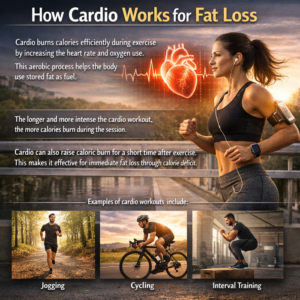
Cardio burns calories efficiently during exercise by increasing the heart rate and oxygen use. This aerobic process helps the body use stored fat as fuel. The longer and more intense the cardio workout, the more calories burn during the session.
Cardio can also raise caloric burn for a short time after exercise. This makes it effective for immediate fat loss through calorie deficit. Examples of cardio workouts include jogging, cycling, and interval training.
How Strength Training Works for Fat Loss
Strength training burns fewer calories during the workout compared to cardio but builds muscle mass. More muscle increases the basal metabolic rate (BMR), meaning the body burns more calories even at rest.
This anaerobic exercise also improves body composition by preserving muscle while losing fat. Strength workouts provide lasting effects on metabolism, helping with long-term fat loss. Typical workouts include weightlifting and resistance band exercises.
| Type | Primary Energy System | Calorie Burn During Exercise | Effect on Metabolism |
| Cardio (Aerobic) | Uses oxygen | High | Slight post-exercise calorie burn |
| Strength Training | Anaerobic
| Moderate | Increases resting calorie burn (BMR) |
Calorie Burn: Cardio Compared to Strength Training
Cardio and strength training both help burn calories but in different ways. Cardio typically burns more calories during the workout, while strength training impacts calorie burn over a longer time by increasing muscle mass and metabolism.
Calories Burned During Cardio
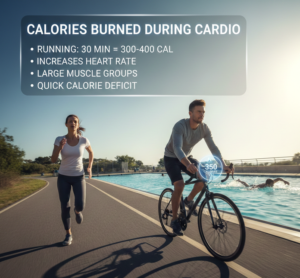
Cardio exercises like running, cycling, or swimming burn calories quickly. For example, a 30-minute run can burn 300 to 400 calories depending on intensity and body weight. Cardio increases the heart rate and uses large muscle groups, which demands more energy during the session.
The metabolic equivalent (MET) for activities like jogging is higher than many strength exercises, meaning they use more energy per minute. Cardio can create a strong calorie deficit if done consistently because it burns many calories in a short time.
Calories Burned During Strength Workouts
Strength training burns fewer calories during a session compared to cardio. For example, 30 minutes of weightlifting might burn around 180 to 250 calories. But it has other benefits for fat loss, like building muscle that increases resting metabolic rate (RMR).
Muscle requires calories to maintain, so having more muscle means a higher basal metabolic rate (BMR), or calories burned at rest. This increases daily calorie burn and helps maintain a calorie deficit over time, supporting long-term fat loss.
The Afterburn Effect (EPOC) in Both Modalities
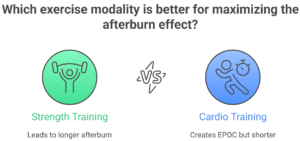
Excess post-exercise oxygen consumption (EPOC), or the afterburn effect, happens when the body uses more oxygen to recover after exercise. Both cardio and strength training cause EPOC, but strength training often leads to a longer afterburn.
Strength workouts that use heavy weights or circuit training can raise metabolism for 24 to 48 hours post-exercise. Cardio, especially high-intensity interval training (HIIT), also creates EPOC, but not usually as long as strength workouts. This afterburn effect adds to total calorie burn and supports fat loss beyond the workout itself.
Impact on Muscle Mass and Metabolism
Exercise influences muscle growth and metabolic health differently depending on the type. Strength training primarily builds muscle tissue and boosts metabolism over time. Cardio mainly burns calories during workouts but does less for muscle development and resting metabolism.
Muscle Gain and Lean Muscle Development
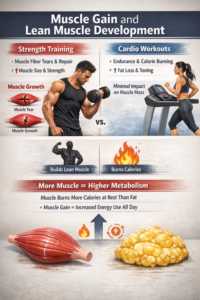
Strength training targets muscle fibers by applying resistance that causes small muscle tears. The body repairs these tears, resulting in muscle gain and increased lean muscle mass. This process, known as muscle-building, improves muscle size and strength.
Cardio workouts focus more on endurance and calorie burning and have less impact on increasing muscle mass. While cardio can tone muscles, it generally doesn’t stimulate significant muscle growth. Maintaining or increasing lean muscle through strength training helps create a firmer, stronger body.
Increasing muscle tissue is important because muscle burns more calories at rest compared to fat. This means muscle gain supports ongoing energy use even outside of workouts.
Metabolic Rate Enhancement
Muscle-building exercises raise the resting metabolic rate (RMR). RMR means the number of calories the body burns while at rest. When muscle mass grows, the body requires more energy to maintain itself, increasing RMR.
Strength training also triggers muscle repair processes after exercise, a phase that further boosts metabolism for hours or even days. This effect is often called excess post-exercise oxygen consumption (EPOC) and helps burn more calories after workouts.
Cardio mainly increases calorie burn only during the activity itself and for a short time after. It improves cardiovascular health but does not elevate metabolism long-term like muscle gain does.
Long-Term Fat Loss Effects
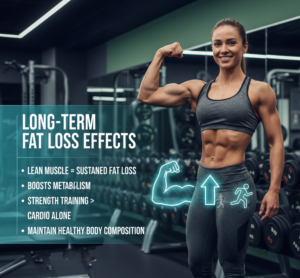
Building lean muscle supports sustained fat loss because of its positive effects on metabolism. People who consistently do strength training tend to experience better long-term fat loss and are less likely to regain weight.
Muscle tissue acts as a calorie-burning asset, making it easier to maintain a healthy body composition. While cardio can burn significant calories in the short term, strength training changes the body’s shape and metabolism for lasting fat management.
Combining muscle gain with metabolic increases provides a more effective strategy for maintaining fat loss over time than relying on cardio alone.
Popular Cardio and Strength Training Methods for Fat Loss
Fat loss workouts vary widely, with each method offering unique benefits. Cardio exercises focus on burning calories through sustained or intense movement. Strength training builds muscle, which raises metabolism and supports long-term fat loss. Combining these methods often leads to the best results.
Cardio Workouts: Running, Cycling, Swimming, and More
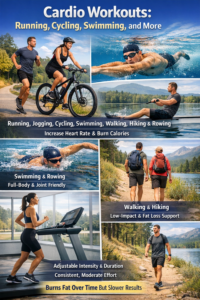
Cardio workouts include running, jogging, cycling, swimming, walking, hiking, and rowing. These activities increase heart rate and burn calories during the workout. Running and cycling are popular because they can be adjusted for intensity and duration easily.
Swimming and rowing involve full-body movement and are easier on the joints while still providing strong calorie burn. Walking and hiking are low-impact options that can be done by most people and still support steady fat loss.
Steady-state cardio means keeping a consistent, moderate effort for a longer time. This approach helps burn fat but may take longer than higher intensity methods.
Strength Training Techniques: Weightlifting and Bodyweight Exercises
Strength training focuses on building muscle with weightlifting, bodyweight exercises, or resistance training. Common movements include squats, bench presses, deadlifts, and lunges. These exercises engage multiple muscles and promote calorie burn even after the workout ends.
Bodyweight exercises like push-ups, pull-ups, and planks are accessible and effective for increasing strength. Weight training helps preserve muscle during fat loss, which is important to maintain metabolism.
Progressive overload—gradually increasing weight or difficulty—is key to continuous fat burning and muscle growth in strength training.
HIIT, Interval Training, and Circuit Approaches
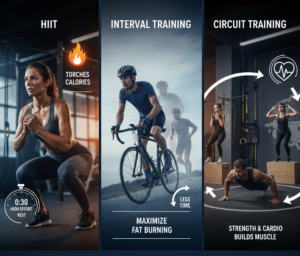
High-Intensity Interval Training (HIIT) combines short bursts of intense effort with rest or low-intensity periods. This method torches calories quickly and boosts metabolism afterward.
Interval training can be done with running, cycling, or bodyweight moves. It alternates between high and low effort to maximize fat burning in less time.
Circuit training blends strength and cardio by rotating through different exercises with minimal rest. It keeps the heart rate high while building muscle, making it a very efficient fat-loss strategy.
These high-intensity methods improve endurance and help burn both fat and calories more effectively than steady-state cardio alone.
Cardio and Strength Training for Optimal Body Composition
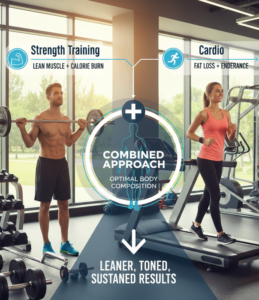
Combining cardio and strength training targets fat loss and muscle growth differently. Cardio burns calories quickly, supporting weight loss. Strength training builds muscle, which changes body shape and boosts metabolism over time.
Fat Loss and Body Fat Reduction
Cardio workouts burn more calories during exercise, which directly helps reduce body fat. Activities like running, cycling, or swimming increase heart rate and calorie burn. High-intensity cardio can also lead to an afterburn effect, where the body keeps burning calories after the workout ends.
However, relying only on cardio may cause some muscle loss. This can slow down metabolism, making it harder to keep fat off long term. Adding strength training helps preserve muscle while cutting fat.
Improving Body Composition with Combined Approaches
Strength training builds lean muscle, which improves overall body composition by increasing muscle and reducing fat. Muscle tissue burns more calories even when resting, supporting fat loss over time.
A balanced workout routine combines both cardio and strength exercises. This approach leads to a leaner, more toned appearance and better long-term weight management. Too much cardio without strength training may lower muscle mass, but mixing both gives the best results for fat loss and improved body shape.
Practical Recommendations for Maximum Fat Burning
Maximizing fat burning requires a clear workout plan, a balance between cardio and strength training, and attention to nutrition. Effective fat loss depends on combining these elements to support both calorie burn and muscle maintenance.
Creating an Effective Workout Plan
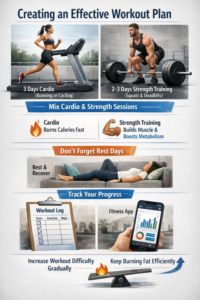
A good workout plan starts with mixing cardio and strength sessions throughout the week. For example, a schedule might include 3 days of cardio and 2-3 days of strength training. Cardio workouts help burn calories fast, while strength training builds muscle, which increases calorie use at rest.
An exercise physiologist would suggest focusing on compound movements like squats and deadlifts during strength workouts because they engage multiple muscles. For cardio, intervals or steady-state exercises such as running or cycling work well. Rest days are important to help the body recover and prevent injury.
Tracking progress through workout logs or apps can help adjust intensity as fitness improves. Gradually increasing workout difficulty ensures the body keeps burning fat efficiently.
Balancing Cardio and Strength for Health and Fitness
Combining cardio and strength training gives the best results for fat loss and overall health. Cardio burns more calories during exercise, which aids short-term fat loss. Strength training helps build muscle, boosts metabolism, and improves long-term fat loss by increasing resting calorie burn.
Including circuit training—alternating strength exercises with short rest periods—can give both cardio and muscle benefits at once. This approach improves stamina and strength.
Experts recommend prioritizing strength training but not skipping cardio. This balance supports heart health, weight control, and physical fitness. Consistency is key, with a focus on manageable goals rather than quick fixes.
Role of Nutrition in Fat Loss
Nutrition plays a major role in fat loss alongside exercise. Eating fewer calories than the body uses is necessary to lose fat. However, adequate protein intake supports muscle repair and growth, especially when strength training.
An exercise physiologist often recommends a balanced diet rich in whole foods like vegetables, lean proteins, and healthy fats. Avoiding excessive sugars and processed foods helps control calorie intake and supports steady fat loss.
Hydration and meal timing can also affect energy levels for workouts and recovery. Planning meals to include protein and carbs around exercise helps maintain performance and muscle health.

Frequently Asked Questions
Fat loss results differ between cardio and strength training based on how they burn calories during and after exercise. Exercise intensity, metabolism, and workout duration also affect how fat is burned. Combining the two methods can influence the total fat loss.
What are the key differences in fat loss between cardio and strength training?
Cardio burns more calories during the workout, making it effective for immediate fat loss. Strength training builds muscle, which helps increase calorie burn at rest. Each supports fat loss but through different processes.
How does the intensity of exercise affect fat burning in cardio versus strength training?
Higher intensity cardio burns more calories quickly during the workout. Strength training intensity influences muscle growth, which raises metabolism for long-term fat burning. Both depend on effort level to increase fat loss.
Can strength training alone be effective for fat loss compared to cardio?
Strength training can lead to fat loss by increasing muscle mass and boosting metabolism. However, it usually burns fewer calories during exercise than cardio. It can be effective but may take longer to see results alone.
What role does metabolism play in fat burning with respect to different exercise modalities?
Strength training raises resting metabolic rate by building muscle. Cardio mainly burns calories while exercising. The increased metabolism from strength training can help maintain fat loss over time.
How can combining cardio and strength training influence overall fat loss?
Combining both types can maximize fat loss. Cardio burns more calories during workouts, while strength training boosts metabolism afterward. Together, they create a balanced approach to reduce fat effectively.
What is the impact of exercise duration on fat loss in both cardio and strength training regimes?
Longer cardio sessions burn more calories but may lead to fatigue. Strength training sessions may burn fewer calories but have extended afterburn effects. Duration influences total fat burned in both methods.