Personal trainer fees in Toronto
1. Introduction: Navigating Toronto’s Fitness Landscape
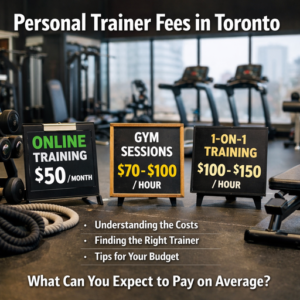
Finding the right personal trainer in Toronto can feel like a workout in itself. With the number of trainers in the city growing by an estimated 3.69% since 2023, the options are more plentiful—and more confusing—than ever. Prices seem to span the entire spectrum, from budget friendly online options to premium one on one sessions in luxury clubs. This guide is designed to demystify personal training costs in Toronto. We’ll break down the key factors that drive the price, explore different training formats, and provide you with actionable strategies to find a qualified trainer that fits both your fitness goals and your budget. By understanding what you’re paying for, you can make a confident, value driven choice on your path to better health. So, what can you actually expect to pay on average?
2. The Big Picture: Average Personal Trainer Costs in Toronto
Personal training in Toronto is not a one size fits all expense, and the cost can vary significantly depending on the training format you choose. From hyper personalized one on one sessions to motivating group environments and flexible online coaching, each option comes with a different price point and unique benefits. The table below provides a clear overview of the average hourly rates to help you understand the financial landscape.
| Training Type | Average Price Range | Best For | Key Considerations |
| In Person (One on One) | $50 $140 | Personalized attention and specific goals | A gym membership may be an additional cost. |
| In Person (Small Group) | $25 $75 | Motivation and budget conscious individuals | Attention is shared among participants. |
| Online (One on One) | $20 $80 | Flexibility and access to specialists | Requires a higher degree of self discipline. |
These ranges provide a solid baseline, but several key factors are responsible for the wide variation in pricing. Understanding what drives these costs is the next step in finding the perfect fit.
3. Decoding the Price Tag: Key Factors That Influence Cost
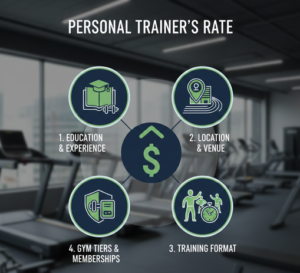
Understanding what influences a personal trainer’s rate is a strategic advantage. It allows you to assess the value of their services, identify where your money is going, and ultimately avoid overpaying for qualifications or amenities you don’t need. The price tag is more than just a number; it’s a reflection of a trainer’s expertise, the convenience of their service, and the environment they operate in.
- Trainer’s Education and Experience: A trainer’s qualifications are one of the most significant factors driving cost. There is a vast difference between a Registered Kinesiologist (R.Kin), who is a regulated health professional with a four year university degree, and a personal trainer whose certification might come from a weekend workshop. In my practice, I always advise clients to ask a potential trainer what their certification process involved; a weekend course is simply not comparable to a multi year degree like Kinesiology. Trainers with advanced skills and specializations, such as corrective exercise, often charge 20 30% more for their expertise.
- Location and Venue: Your choice of location is one of your biggest cost control levers. Sessions in a premium downtown club like Equinox or Altea Active will naturally command a higher price due to extensive amenities, whereas a more streamlined gym like Hone Fitness offers a lower cost entry point. In home personal training offers unparalleled convenience by eliminating your commute, but the rate may include extra travel fees. Online training is often the most cost effective option, as trainers have lower overhead costs and can pass those savings on to you.
- Training Format: As highlighted in the table above, the training format directly impacts the cost. One on one sessions are the most expensive because you are paying for the trainer’s undivided attention and a fully customized program. Group training provides a more affordable alternative by allowing you to split the trainer’s fee with other participants.
- Gym Tiers and Memberships: It’s crucial to remember that many commercial gyms require you to purchase a membership in addition to paying for personal training sessions. High end clubs like Equinox take this a step further by categorizing their trainers into different tiers based on education, experience, and expertise. The higher the trainer’s tier, the higher their hourly rate.
With these factors in mind, you can begin to explore the specific types of training services that align with your needs and budget.
4. Exploring Your Options: Finding the Right Training Style for Your Budget
The modern fitness market in Toronto offers a diverse range of training models that extend far beyond the traditional one on one session. Each style presents a unique combination of benefits, community, and cost, allowing you to find a structure that supports your goals without straining your finances.
Group Personal Training
Group personal training is a smart investment that strikes an excellent balance between cost and personalized attention. Unlike a generic fitness class, these sessions are often small and provide tailored coaching. For example, a local Toronto gym like Bang Personal Training has built its model around this concept, providing clients with a custom plan and hands on coaching in a motivating group setting for approximately 50–60 per session. This format makes consistent training more accessible and adds a valuable layer of community support.
Online and Virtual Training
The rise of online coaching has been a game changer for accessibility and affordability. Its primary advantages are flexibility, allowing you to schedule sessions without a commute, and cost effectiveness. Online platforms give you access to a global pool of specialists in areas like prenatal fitness or corrective exercise. For those on a tight budget, this is often the most affordable route; some certified online coaches based in Toronto offer rates as low as $5 per hour, making expert guidance available at a fraction of the cost of in person training.
In Home Personal Training
The ultimate in convenience, in home personal training brings a qualified expert directly to your door, eliminating commute time and allowing you to train in a private, comfortable environment. This premium service is ideal for busy professionals or anyone who prefers to work out away from a crowded gym. While highly convenient, be aware that trainers may charge for their travel time. One Toronto based trainer, for instance, charges between 85−90 per session for clients located within a 30km radius.
Now that you’ve seen the primary training models available, let’s explore how you can strategically leverage them to make your fitness investment more affordable.

5. Smart Strategies to Make Personal Training More Affordable
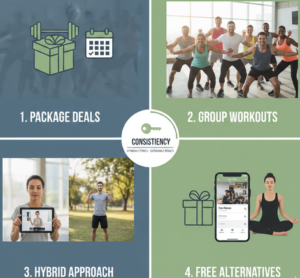
Finding an affordable fitness solution is not about cutting corners; it’s about building a sustainable routine. Consistency is the true key to achieving results, and a cost you can manage long term makes that consistency possible. Here are four practical strategies to get the expert guidance you need without breaking the bank.
1. Commit to Package Deals: The most common way to save is by purchasing sessions in bulk. Many trainers and gyms offer a 10 30% discount on the per session rate when you purchase a package of 5, 10, or 20 sessions upfront. This is a standard practice across Toronto, from independent trainers to large chains like GoodLife Fitness, which uses starter packs, such as 3 sessions for $159, to make that initial commitment easier.
2. Embrace Group Workouts: As mentioned earlier, group training is one of the most effective ways to lower costs while retaining the benefits of professional coaching. Beyond the financial savings, exercising with others can significantly boost motivation and improve your mood, thanks to the power of social support. The shared energy of a group can make your workouts more enjoyable and something you look forward to.
3. Consider a Hybrid Approach: A hybrid model offers the best of both worlds. You can schedule occasional in person sessions—perhaps once or twice a month—to receive hands on form correction and track progress with your trainer. For the rest of your workouts, you can follow a more affordable online program, receiving digital support and guidance while keeping overall costs down.
4. Explore Free Alternatives First: If you’re not quite ready to invest in coaching, you can still build positive momentum. Start with free, high quality resources to create a foundation of physical activity. Excellent options include the bodyweight fitness routines available on Reddit’s r/bodyweightfitness community or simply incorporating more movement into your daily life, such as walking or biking.
By applying these strategies, you can shift your focus from simply finding the cheapest option to investing intelligently in the right long term solution.
6. Conclusion: Investing in the Right Fit, Not Just the Right Price
While the cost of a personal trainer in Toronto can range from as little as $20 to over $140 per hour, it’s clear that this price is shaped by tangible factors like the training format, location, and a trainer’s specific expertise. However, the most critical factor in your success isn’t the price—it’s the fit. The best investment is in a trainer whose coaching style, programming, and expertise align perfectly with your goals, lifestyle, and budget. By understanding your options—from high value group sessions that foster community to flexible online coaching that fits any schedule—anyone in Toronto can find a financially sustainable path to achieving their fitness goals.