Choosing a gym that suits your body type
Choosing the right gym depends largely on your current fitness level and goals. Whether someone is a beginner or experienced, the ideal gym should offer equipment, classes, and support that match their abilities and help them progress safely. A gym that aligns with your fitness level ensures workouts are effective and keeps motivation high.
It is important to consider how the gym’s environment, trainers, and facilities fit your fitness journey. Beginners might need more guidance and beginner-friendly spaces, while advanced users may look for specialized equipment and challenging classes. Location and convenience also play key roles in maintaining a consistent routine, making it easier to stick with fitness goals.
Assessing what each gym offers beyond just machines, such as personal training, class options, and community support, helps in making a well-rounded choice. Choosing a gym that meets practical needs and personal comfort can make a significant difference in long-term commitment and success.
Key Takeways
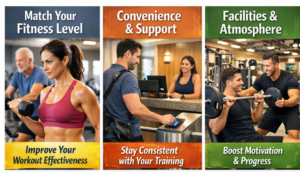
- Matching a gym to your fitness level helps improve workout effectiveness.
- Convenience and support influence how consistently you will train.
- Facilities, staff, and atmosphere impact motivation and progress.
Identify Your Fitness Goals
Choosing the right gym starts with knowing what you want to achieve. Fitness goals guide the types of workouts, equipment, and classes that will best support progress. Clear goals help a person pick a gym that matches their specific needs.
Weight Loss and Fat Reduction
For weight loss, the focus is on burning calories and improving metabolism. Gyms offering group classes like HIIT, circuit training, or cardio-based sessions provide efficient fat-burning workouts. Access to treadmills, stationary bikes, and rowing machines can support steady calorie burn.
A gym with nutrition support and personal trainers can be valuable for setting a sustainable plan. Classes that mix strength and cardio are good because they help maintain muscle while losing fat. Convenience and long hours encourage consistency, which is key for weight loss.
Building Strength and Muscle
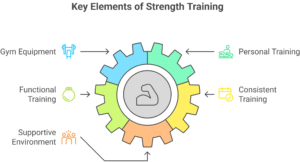
Strength training requires gyms with a wide range of free weights and resistance machines. Access to barbells, dumbbells, squat racks, and benches is essential. Proper equipment lets a person focus on safe progress in lifting heavier weights.
Gyms that offer personal training and strength programs help users learn correct form and avoid injury. Space for weightlifting and areas for functional training are important. Consistent training and a supportive environment improve muscle growth and overall strength.
Cardiovascular Fitness and Endurance
Improving cardiovascular fitness means focusing on activities that raise the heart rate for an extended time. Gyms with a variety of cardio equipment—such as ellipticals, treadmills, and spin bikes—are ideal.
Classes like cycling, running clubs, or aerobic sessions keep workouts engaging while building endurance. Some gyms provide heart rate monitors or fitness apps to track progress. Flexible gym hours allow for training at times when the user feels most energetic.
Mobility, Flexibility, and Injury Recovery
For those focused on mobility and injury recovery, a gym should offer specialized equipment and classes like yoga, Pilates, or stretching workshops. These improve flexibility and joint health.
Access to rehabilitation tools like foam rollers, balance boards, and resistance bands supports recovery. Trained staff or physical therapists can guide safe exercises to prevent re-injury. A calm, clean environment with private spaces helps users work through recovery at their own pace.
Evaluate Suitable Gym Types
Choosing a gym that matches one’s fitness level involves understanding the different types of fitness facilities available. Each offers unique features, equipment, and programs that fit specific needs, from general workouts to focused training styles.
Commercial Fitness Centers
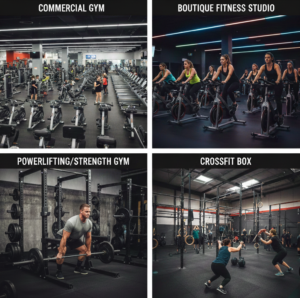
Commercial fitness centers are large gyms designed to serve a wide range of fitness levels. They typically offer extensive equipment options, including cardio machines, free weights, and resistance machines.
These gyms suit beginners and experienced users alike. They often provide personal training services and classes such as HIIT and spinning. Accessibility and flexible hours make them convenient for busy schedules.
Membership costs vary, but many centers offer multiple subscription plans. Cleanliness, staff qualifications, and availability of equipment during peak times should be checked before joining. The presence of amenities like showers and locker rooms adds to the convenience.
Boutique Studios and Specialized Facilities
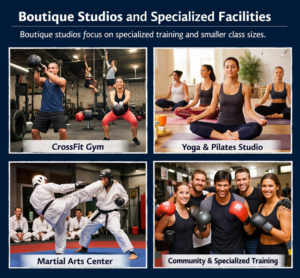
Boutique studios focus on specialized training and smaller class sizes. These spaces cater to those who want targeted workouts or a more personalized experience.
Examples include CrossFit gyms, yoga and Pilates studios, and martial arts centers. Equipment is often specialized for the activity, such as kettlebells and agility tools at CrossFit boxes.
People seeking to improve specific skills or fitness goals favor these studios. The social atmosphere tends to be close-knit, promoting community support. Pricing is usually higher, reflecting the smaller scale and specialized instruction.
Group Class-Focused Gyms
Group class-focused gyms revolve around scheduled classes that encourage community and structured workouts. Popular classes include Zumba, kickboxing, spinning, and various HIIT formats.
This gym type suits those who thrive on motivation from others and prefer guided sessions over solo exercise. Classes are often led by certified instructors who ensure safety and proper technique.
Participants benefit from a variety of class styles to keep workouts diverse. It’s important to confirm class schedules and size limits to ensure a good fit. Such gyms may also offer open gym times for personal workouts outside of class.
Assess Location and Accessibility
Choosing a gym close to daily routines reduces the effort needed to keep workouts consistent. Easy access to parking, public transport, and flexible hours adds convenience for various lifestyles and schedules.
Proximity to Home or Work
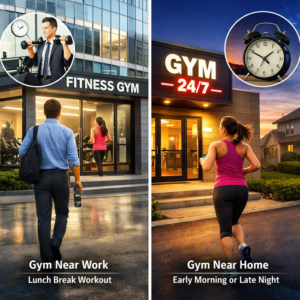
The gym’s closeness to home or workplace strongly affects how often someone visits. A nearby gym saves travel time, making quick workouts more likely. This is especially important for people with tight schedules or family responsibilities.
Choosing a gym near work can encourage workouts during lunch breaks or right after hours. For those who prefer exercising early or late, a gym close to home reduces barriers like traffic or long commutes.
Parking and Public Transport Options
Access to sufficient parking can impact gym attendance for those who drive. Ample, secure parking reduces stress about finding spots and saves time before and after exercise.
For members without cars, gyms near bus stops or train stations offer valuable convenience. Frequent and reliable public transport links fit different lifestyles, providing flexibility and easy integration into daily routines.
Checking if parking is free or paid and how close public transit stops are will help avoid unexpected hassles.
Hours of Operation and Scheduling Flexibility
The gym’s opening hours should align with a person’s daily timetable. Gyms that open early or stay open late support workouts before or after work, especially for shift workers or those with unpredictable schedules.
Offering a range of time slots or 24/7 access benefits users who prefer off-peak hours or irregular workout times. Flexibility in class schedules or appointment-based sessions also helps people stick to their fitness goals without conflicts.
Making sure the gym supports your personal lifestyle is key to consistent exercise.
Examine Equipment and Facility Quality
Choosing a gym means checking the type and condition of the equipment. The gym should offer a variety that fits different workout needs, from cardio to strength training. Cleanliness and maintenance are also key to ensure safety and comfort.
Cardio Equipment and Machines
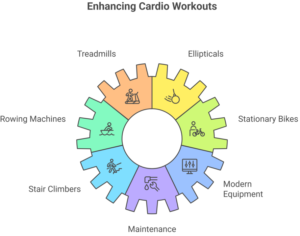
Cardio machines like treadmills, ellipticals, and rowing machines are important for improving stamina and heart health. The gym should have multiple machines to avoid wait times, especially during busy hours.
Look for modern equipment with adjustable settings for speed, incline, and resistance. This allows members to tailor workouts to their fitness level. Machines with screens and pre-set programs can add variety and help track progress.
A variety of cardio options is best. Stationary bikes and stair climbers add diversity and target different muscle groups. Well-kept and functional machines prevent breakdowns and injury risks.
Strength Training Zones
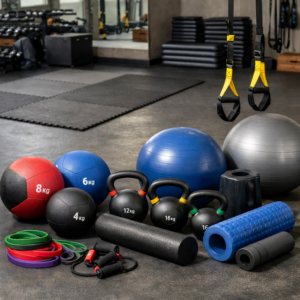
Strength training areas should include free weights like dumbbells, kettlebells, barbells, and medicine balls. A range of weights allows users to progress safely.
The gym should also have resistance machines that focus on specific muscle groups. These are helpful for beginners or those rehabbing an injury. Squat racks and benches are essential for more advanced lifting routines.
A clear layout separates free weights from machines to avoid crowding. Safety features like collars on barbells and spotter arms on racks matter to prevent accidents.
Functional and Mobility Tools
A good gym provides equipment that supports flexible training styles. Medicine balls, resistance bands, and stability balls help with balance and core strength.
Functional spaces with mats and open areas support bodyweight exercises and stretching. Mobility tools like foam rollers are useful for recovery and reducing injury risk.
Including kettlebells and TRX suspension trainers offers more variety for strength and flexibility. Such tools can complement traditional workouts and benefit users with different fitness levels.
Cleanliness and Maintenance Standards
Cleanliness shows how well a gym is managed. Equipment surfaces, floors, and locker rooms should be free from sweat and dust.
Regular maintenance keeps machines working correctly and safely. Check that the gym fixes broken equipment promptly and inspects free weights for wear.
Clean gyms also provide hand sanitizers and have clear hygiene rules. This minimizes the risk of infections and creates a more comfortable environment.
Consider Staff Expertise and Support
Staff expertise and the support they provide can greatly impact a gym member’s progress. Knowing the qualifications of personal trainers, the quality of group class instructors, and the community atmosphere helps in choosing a gym that matches fitness needs and encourages consistency.
Certified Personal Trainers and Credentials
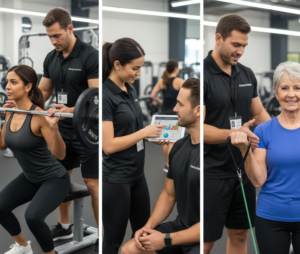
Certified personal trainers bring essential knowledge and skills to guide members safely and effectively. Credentials from recognized organizations like ACE, ISSA, or NASM ensure trainers understand exercise science and proper techniques. Certification requires passing a comprehensive exam, which tests their expertise in anatomy, physiology, program design, and client safety.
Experienced trainers adapt workouts to fit different fitness levels, prevent injuries, and offer motivation. A certified trainer not only teaches correct form but also tracks progress and adjusts programs as needed. Prospective gym members should look for trainers with up-to-date certifications and ask about their specialties and experience before committing to personal training.
Group Class Instructors and Expertise
Group class instructors play a key role in delivering effective workouts that suit varied fitness levels. Their ability to explain exercises clearly and demonstrate modifications for beginners or advanced participants is crucial. Instructors should hold certifications in the type of class they lead, such as yoga, Pilates, HIIT, or spin.
Qualified instructors maintain class safety by managing pace, form, and intensity. They keep participants motivated and engaged, fostering a welcoming and inclusive atmosphere. When evaluating a gym, members should inquire about instructor credentials and observe a class to assess teaching quality and interaction with attendees.
Community and Supportive Environment
A supportive community contributes to motivation and accountability. Staff and members who encourage each other help people stay consistent with workouts. Gyms that promote a positive atmosphere often organize group challenges, social events, or workshops.
Staff trained in customer service and fitness support can create a space where members feel comfortable asking questions and seeking help. This environment helps members overcome barriers like self-doubt or lack of motivation. When choosing a gym, considering how staff and members interact is as important as checking facilities or equipment.
Analyze Membership Costs and Flexibility
Membership cost and contract terms are key factors that affect how well a gym fits into a person’s budget and schedule. Access options like day passes and trial periods offer short-term flexibility. Discounts, guest passes, and extra fees can also impact the overall value of a membership.
Membership Plans and Contracts
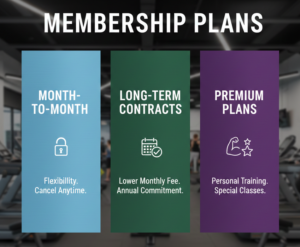
Gyms usually offer different types of membership plans. These range from month-to-month contracts to long-term agreements lasting a year or more. Month-to-month plans provide greater freedom to cancel or change memberships without penalty.
Long-term contracts often come with lower monthly fees but may include cancellation fees or require advance notice to end the contract. Some gyms also have premium plans that include additional perks like personal training or access to special classes.
People should closely review the terms for hidden fees, automatic renewals, and any upfront costs like enrollment or initiation fees. Understanding the contract details helps avoid unexpected expenses.
Day Passes and Trial Periods
Day passes allow a person to access the gym for a single day without a membership. This can be useful for travelers or those who want to try a gym before committing. Costs typically range from $10 to $20 per day, depending on the gym and location.
Trial periods are often free or discounted offers that last from one day up to two weeks. They give potential members a chance to experience facilities and classes firsthand. Asking staff about trial availability is recommended when visiting gyms.
Both options let individuals evaluate the gym’s atmosphere, equipment quality, and how well it meets their fitness level before signing up for a longer contract.
Guest Passes, Discounts, and Additional Fees
Guest passes let current members bring friends or family to use the gym for a limited time. These passes can introduce new people to the gym without extra cost or at a reduced fee. Some gyms limit the number of guest passes per month.
Discounts may be available for students, seniors, military personnel, or corporate groups. Checking eligibility for these can reduce membership costs significantly.
Additional fees to watch for include parking charges, towel service, or costs for special programs such as personal training or nutrition coaching. Clarifying what is included in the base membership and what requires extra payment ensures better budgeting.

Explore Amenities and Added Features
Choosing a gym means considering extra features that fit your habits and fitness level. These contribute to your convenience, recovery, and overall experience. Focus on amenities like locker rooms, wellness spaces, and nutrition support to find a gym that supports your routine effectively.
Showers, Lockers, and Changing Rooms
Clean, secure changing areas and showers are important for comfort and hygiene. A gym with private or well-maintained communal showers can make post-workout routines easier, especially for those who exercise before work or other commitments.
Lockers provide a safe place to store personal items during workouts. Look for gyms offering spacious lockers with reliable locks or electronic access. If changing rooms are roomy and well-ventilated, they reduce wait times and improve the overall environment.
These features are critical for people who value convenience or attend multiple classes or sessions daily. They also help keep the gym experience smooth and stress-free.
Sauna, Steam Room, and Pool Facilities
Saunas and steam rooms aid muscle relaxation and recovery. They can reduce tension and support better sleep, which benefits anyone with an active lifestyle. Not all gyms have these spaces, so their presence can be a deciding factor based on recovery needs.
Swimming pools offer a low-impact workout option, ideal for all fitness levels, especially beginners or those with joint issues. Pool availability also adds variety to workouts and can support rehabilitation or cardio training.
When choosing a gym, check the cleanliness and maintenance of these facilities. Hours of access and any extra costs for using saunas, steam rooms, or pools are also worth considering.
Nutrition Support and Wellness Offerings
Nutrition advice and wellness programs help members reach fitness goals faster. Gyms that provide access to nutritionists or dietitians offer tailored meal planning and advice, which can be vital for weight loss, muscle gain, or overall health improvements.
Additional wellness options might include personal training, group classes focused on mind-body wellness like yoga, or services like tanning. These support not just the physical but also the mental side of fitness.
Clearly explain available nutrition and wellness services when touring a gym. Access to these resources can enhance motivation and personalize the fitness journey.
Understand Gym Atmosphere and Culture
The atmosphere and culture of a gym shape how comfortable and motivated a person feels during workouts. Key aspects include who typically visits, the behavior expected, and the social interactions happening inside. These factors affect whether a gym supports a fitness enthusiast’s goals and fits their personality.

Inclusivity and Demographics
A gym’s inclusivity shows how welcoming it is to people of different backgrounds, ages, and fitness levels. Some gyms attract mostly experienced athletes, while others focus on beginners or families. Understanding this helps a person find a place where they feel accepted and supported.
Look for signs like staff friendliness, diverse members, and programs tailored to various needs. Inclusive gyms often offer beginner-friendly classes and adaptations for different abilities. A space that respects all members encourages consistency and removes barriers to participation.
Gym Rules and Etiquette
Clear rules about equipment use, cleanliness, and behavior help maintain a safe and respectful environment. Many gyms expect members to wipe down machines, return weights properly, and use equipment efficiently during busy times.
Proper etiquette also involves respecting others’ space and privacy. A gym with enforced rules reduces distractions and creates a focused workout zone. Understanding and following these rules shows respect for the community and supports a positive atmosphere.
Social Environment and Motivation
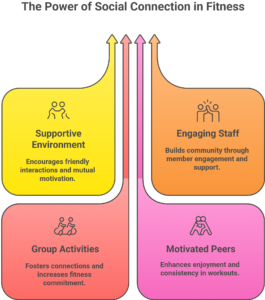
The social vibe can powerfully influence workout habits. Gyms with a supportive environment encourage friendly interactions, where members motivate each other and share tips. Friendly staff and trainers who engage with members help build a sense of community.
Some gyms organize group classes or events that foster connections. Being around other motivated fitness enthusiasts often increases commitment and enjoyment. A gym where members feel connected can make it easier to stay consistent and meet fitness goals.
Frequently Asked Questions
Choosing the right gym depends on a clear understanding of individual fitness goals, equipment needs, staff support, amenities, atmosphere, and convenient location. Each factor plays a specific role in making workouts effective and sustainable.
What factors should I consider when selecting a gym that matches my fitness goals?
He or she should start by identifying personal goals, such as weight loss, strength building, or improving endurance. Membership cost, class options, and equipment variety also matter. Access to specialized programs or coaching may be important for targeted results.
How do I evaluate the quality and variety of equipment available at a fitness center?
Look for well-maintained machines and a good mix of cardio, weightlifting, and functional training equipment. Checking for updated or new equipment helps ensure safe and effective workouts. Viewing photos or visiting the gym to try the equipment can be useful.
What are the indicators of a supportive and knowledgeable gym staff?
Staff who provide clear instructions, offer personal training, and answer questions show competence. Friendly and approachable trainers who tailor guidance to different fitness levels indicate good support. Availability for one-on-one sessions is a plus.
Are there specific gym amenities that are essential for beginners versus advanced fitness enthusiasts?
Beginners benefit from facilities with easy-to-use machines, group classes, and beginner coaching. Advanced users might prioritize free weights, specialized machines, sauna access, or advanced training areas. Amenities should align with skill level and workout style.
How can I determine if a gym’s atmosphere and culture are conducive to my workout preferences?
The gym’s environment should make the person feel comfortable and motivated. Small group classes, welcoming staff, and a friendly community help. Observing the gym during busy hours or attending trial classes allows assessment of vibe and crowd.
What is the significance of gym location and hours in relation to maintaining a consistent workout routine?
A gym near home, work, or errand routes makes it easier to stick with workouts. Flexible hours, especially 24-hour access, help fit exercise into varied schedules. Convenience reduces missed sessions and supports long-term fitness habits.