Indoor vs. Outdoor Workouts
Toronto’s climate varies a lot through the year, making the choice between indoor and outdoor workouts important. Winters can be cold, snowy, and freezing, while summers are warm and humid. Indoor workouts offer reliable comfort and control during harsh weather, while outdoor workouts give fresh air and sunshine when conditions are mild.
Many people find indoor gyms helpful during long winters or rainy days because they provide a stable environment and access to equipment year-round. On the other hand, outdoor workouts add variety and connect exercisers with nature, which can boost motivation in good weather.
Choosing the right workout depends on individual needs and the season. A smart fitness plan in Toronto often includes both indoor and outdoor activities to match changing weather and sustain a consistent routine.
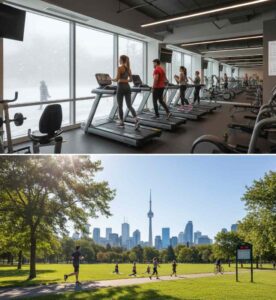
Comparing Indoor and Outdoor Workouts in Toronto’s Climate
Toronto’s weather changes a lot during the year, which affects where people can work out best. Both indoor and outdoor exercise options have clear strengths and weaknesses based on temperature, precipitation, and seasonal shifts.
Weather Patterns and Their Impact on Fitness
Toronto has cold, snowy winters and warm, humid summers. Winters can last from November to March with frequent snow and freezing temperatures. This makes outdoor workouts difficult, especially for running or cycling.
Summer months bring heat and occasional heavy rainstorms. High humidity can cause discomfort when exercising outside. Spring and fall offer milder weather but can still include sudden rain or wind.
These changes mean workout plans must be flexible. Cold weather outside requires proper gear to avoid injury. Hot summers increase the risk of dehydration outdoors. Weather often pushes people to choose indoor gyms during winter and switch outdoors when it is warmer.

Advantages and Challenges of Indoor Workouts
Indoor workouts provide a stable environment unaffected by rain, snow, or extreme temperatures. This consistency helps people stay on track year-round regardless of weather conditions.
Gyms have machines, weights, and classes that support strength training, cardio, and flexibility in one place. It’s easier to maintain a routine indoors during winter or rainy days.
However, indoor gyms may feel less motivating due to limited fresh air and natural light. Some may find the environment crowded or noisy. The cost of membership and travel time can be barriers for others.
For people with allergies or who dislike bugs, indoor workouts remove these outdoor nuisances. But lack of natural scenery can reduce enjoyment for some.
Benefits and Downsides of Outdoor Exercise
Exercising outside exposes people to fresh air and natural light, which can boost mood and energy. Parks and trails offer varied terrain that helps improve balance and fitness.
Outdoor workouts often feel more fun and less repetitive. Running or biking on different routes can prevent boredom and improve motivation.
On the downside, weather is a major challenge in Toronto. Cold, ice, and snow create slip hazards, while hot and humid weather can cause heat stress. Seasonal allergies to pollen may also affect outdoor activity.
Insects like mosquitoes can be a nuisance in warmer months. Safety concerns, such as poorly lit trails or traffic, can limit outdoor options during early mornings or evenings.
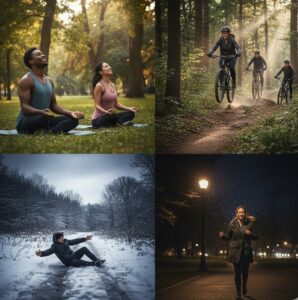
Seasonal Adaptations for Indoor and Outdoor Routines
Many people blend indoor and outdoor exercise based on the season. Winter workouts are often shifted indoors to avoid cold and icy conditions.
As spring arrives, outdoor running, cycling, and walking become more common. Summer allows for outdoor group fitness, swimming, and longer workouts, taking advantage of longer daylight.
Fall offers cooler temperatures ideal for hiking or jogging outdoors before winter starts. However, sudden rain and wind may still require indoor alternatives.
Layering clothing and using proper footwear help outdoor exercise in cooler months. For indoor sessions, using fans, proper ventilation, or classes can keep workouts comfortable year-round.
Adapting seasonally lets people stay active without major disruptions from Toronto’s changing weather.
Choosing the Best Fit for Your Lifestyle
The choice between indoor and outdoor workouts in Toronto depends largely on how easily one can access the workout space, personal comfort and safety needs, and the social environment that best supports consistency and enjoyment. These factors help determine which type of exercise fits into daily routines more naturally.
Accessibility and Year-Round Consistency
Toronto’s cold winters and hot summers make accessibility a key factor. Indoor gyms and fitness centers offer climate control, meaning workouts can happen anytime without worrying about weather conditions like snow, rain, or extreme heat.
Public facilities and home gyms provide consistent access for people with busy schedules or limited transportation. Outdoor workouts depend heavily on season and daylight, which shrinks in winter months.
For those seeking consistency, indoor options allow maintaining routines year-round. Outdoor workouts work best in spring, summer, and fall when temperatures and daylight are favorable.

Safety and Comfort Considerations
Safety is a major factor in deciding between indoor and outdoor workouts in Toronto’s urban environment. Indoors offers protection from hazards such as icy sidewalks, poor air quality, and traffic, especially in winter or high-traffic areas.
Comfort indoors is enhanced by controlled temperatures and equipment availability, which may reduce injury risk. Outdoors offers fresh air and natural light but requires planning to avoid unsafe or uncomfortable conditions.
Proper clothing, visibility tools, and safe routes are essential for outdoor workouts in colder or darker months. People prone to allergies, asthma, or with mobility challenges may prefer indoor gyms.
Social and Community Aspects
Social interaction shapes workout motivation and enjoyment. Indoor gyms often have group classes, trainers, and established communities that encourage regular attendance and skill improvement.
Outdoor exercise groups and clubs in Toronto connect people through running, cycling, and fitness meetups in parks and trails. These provide social benefits along with physical activity.
Some prefer the energy of indoor classes, while others enjoy the fresh environment and wider social circles outdoors. Both environments offer ways to meet people, but personal preferences and lifestyle often guide which is best.

Frequently Asked Questions
Toronto’s climate brings cold winters, warm summers, and changing conditions that impact workout plans. Indoor exercise offers stability during harsh weather, while outdoor routines vary with the seasons. Proper planning helps maintain fitness year-round.
What are the benefits of indoor exercise given Toronto’s weather conditions?
Indoor workouts provide a climate-controlled space free from extreme cold, snow, and ice. They allow for consistent training without interruptions from weather changes.
People with allergies or respiratory issues benefit from cleaner indoor air compared to outdoor pollen.
How does the change of seasons in Toronto affect outdoor workout routines?
Spring and summer allow for more frequent outdoor activities thanks to warmer temperatures and longer daylight hours.
Fall brings cooler temperatures but is still suitable for many outdoor workouts before winter arrives.
Winter limits outdoor exercise due to snow, ice, and risking cold-related injuries.
Are there specific months when outdoor workouts are recommended in Toronto?
Outdoor workouts are best from late April to early October when temperatures are milder and weather is generally stable.
The peak season is summer, June through August, when days are longest and weather is most comfortable for exercise.
What types of indoor workouts are most effective during Toronto’s colder months?
Strength training using weights, kettlebells, or resistance bands is effective indoors.
Cardio workouts can be done on treadmills or stationary bikes to maintain endurance.
Group fitness classes help keep motivation high during long winters.
How can one transition from an outdoor to indoor workout regimen as the Toronto climate changes?
Start by gradually moving activities indoors as temperatures drop below 10°C or when daylight shortens noticeably.
Focus on indoor exercises that mimic outdoor movements to maintain fitness and reduce injury risk.
Adjust workout gear and space at home or gyms to match the new routine.
What safety considerations should be taken into account for outdoor workouts during Toronto’s winter?
Wear proper layered clothing to stay warm and dry.
Use footwear with good traction to prevent slipping on ice or snow.
Limit exposure time to avoid frostbite or hypothermia and always warm up indoors before heading outside.